
The Architect of Connectivity
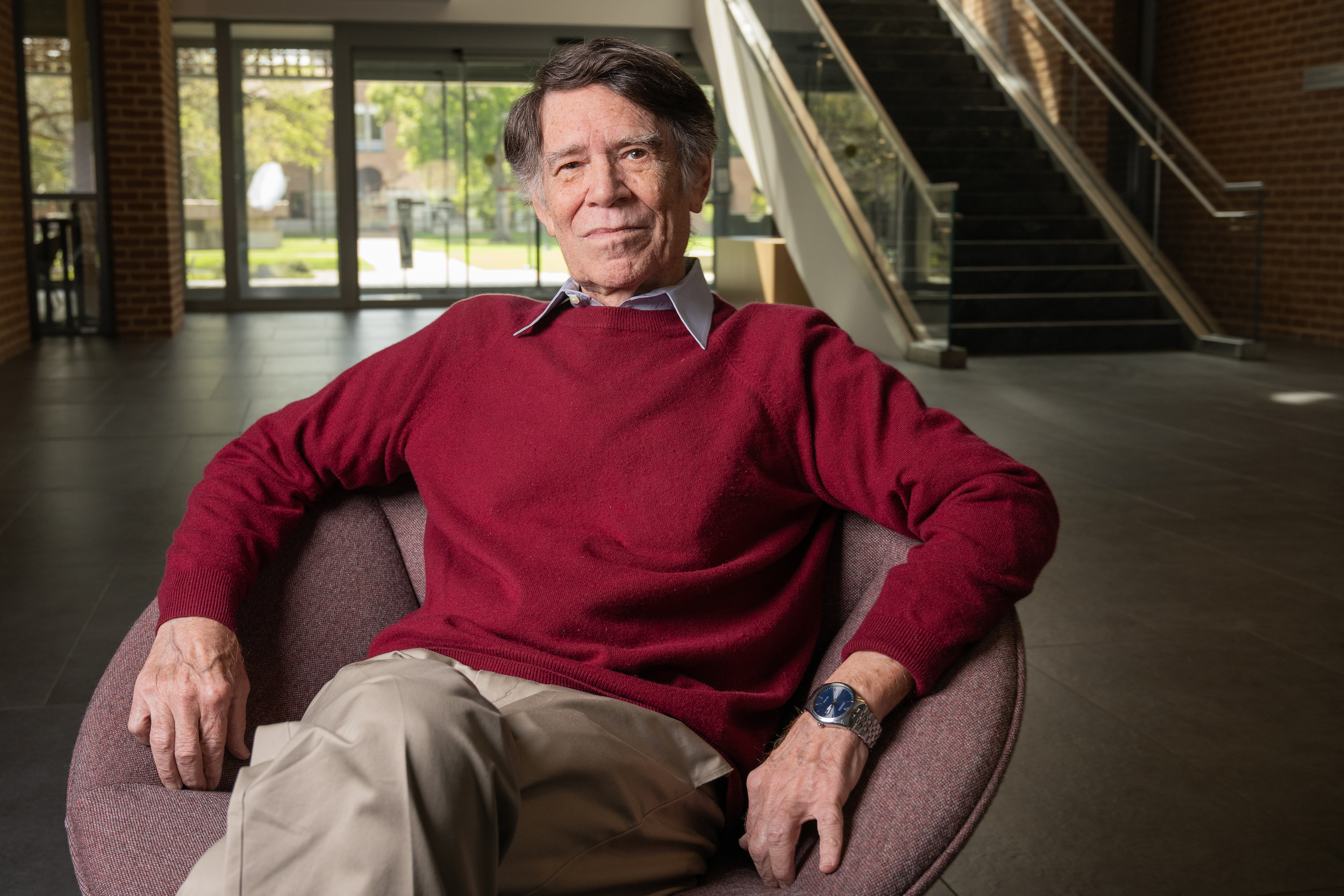
By 1979, when young urban systems specialist Marty Reiner arrived in Houston from Chicago to work for the new Metropolitan Transit Authority (METRO), the city had become a sprawling proliferation of disconnected development fueled by ambition and the riches of a roaring oil-based economy. Instead of trolleys and buses, he found roads and freeways transecting the landscape like concrete ribbons, isolating neighborhoods and creating economic blight in the urban core. For Marty, transformation of the sprawling landscape of "open ditches" and auto-centric infrastructure into a cohesive, connected community was more than a challenge; it became his professional calling.
He began his career in Chicago after earning a Ph.D. in Social Science and an M.P.A. from Syracuse University. Passionate about public transit, he quickly became involved in METROÕs early rail system planning. At the same time, the South Main Center Association, which eventually became the South Main Alliance (SMA), became one of the key organizations involved in that planning. Early in this collaboration, it became evident that the first line had to be down South Main.
Hear Marty explain why highways aren’t always the best way forward for a modern city.
SMA-initiated planning studies were already underway when Marty became the organization’s second executive director in 1984. He understood success depended on working with the city’s diverse entities and collaboration was the engine of his success. During his ten years leading SMA, Marty navigated the complex intersections of public policy and civic interest. He worked with other urban planning leaders like Bob Eury and John Breeding to ensure City Hall paid attention to the needs of downtown, uptown and the South Main corridor. SMA became a container for Houston’s gravitational influences, the Texas Medical Center, Rice University and the city’s major cultural institutions, and he is proud of how SMA became a neutral meeting place for those institutions to collaborate on an equal plane to solve common problems.
His most enduring legacy lies in the physical and cultural "re-knitting" of the South Main corridor. Marty was a central figure in the early transition of “the Binz” into what eventually would become Houston’s beloved Museum District, playing a pivotal role in identifying the future site of the Children’s Museum of Houston through a series of "cold calls" and institutional connections. His influence extended into the literal green heart of the city; a phone call from a concerned resident about the state of Hermann Park led Marty to coordinate with the Parks Department to create "Friends of Hermann Park," the precursor to today’s Hermann Park Conservancy.
Looking back on over 50 years of civic evolution, he remains an unapologetic champion of the city he chose to make his home. He urges the next generation of leaders to embrace the challenge of the "unplanned" city. For him, Houston is not just a collection of freeways and industries, but the "most wonderful city in America", a place where, with enough persistence and a few well-placed phone calls, a visionary can still turn a weed-strewn boulevard into a gateway for the world.