
Candyce Rylander: Architect of Public-Private Partnerships
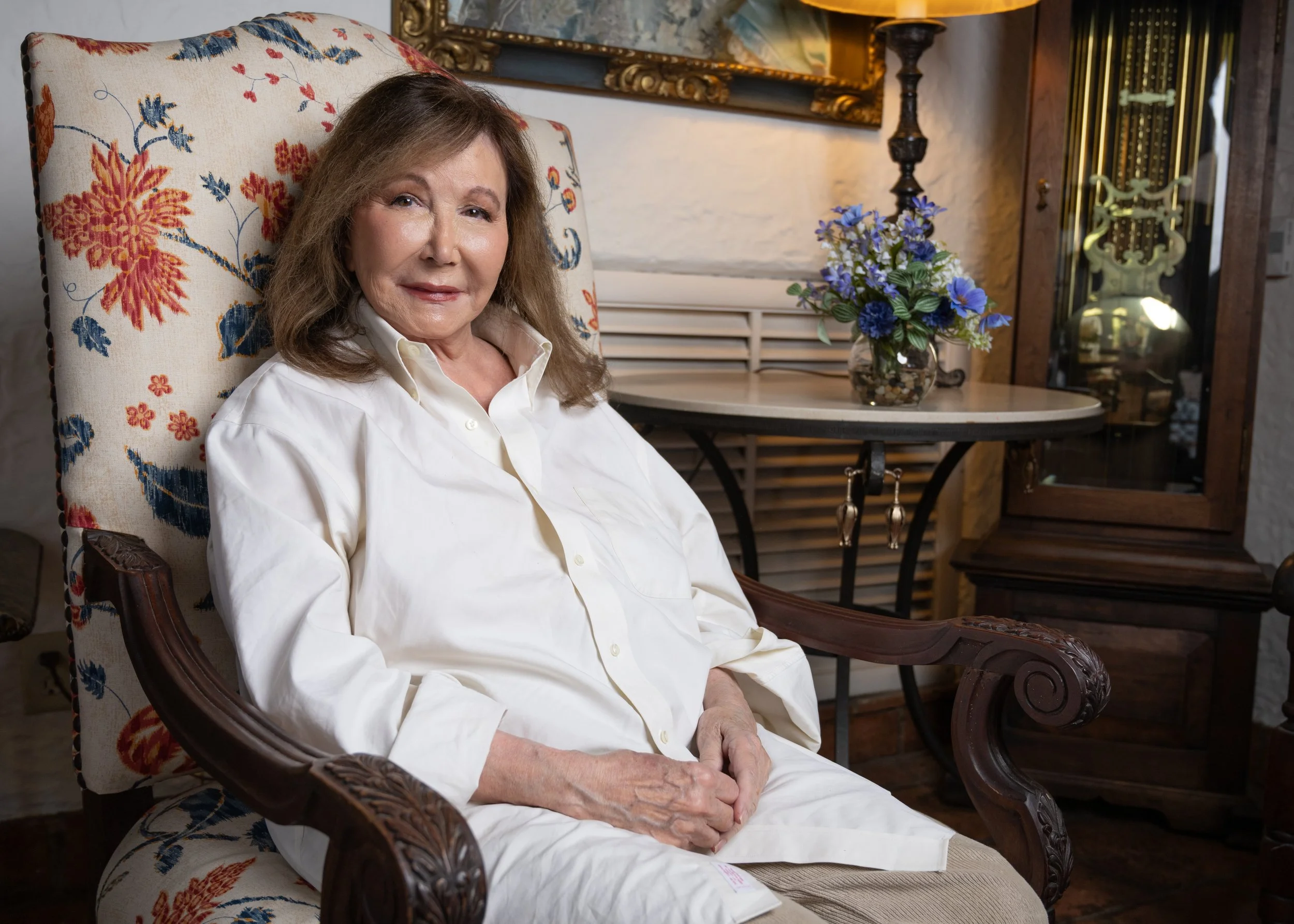
“The bottom line is the bottom line, I had to learn fundraising from the ground up!” This wasn’t all young Candyce Rylander had to learn when she became the first CEO of the South Main Alliance in 1976 (then known as the South Main Center Association.) Many more lessons lay in wait as she attempted to assert some semblance of order and intentionality in the wild and rapidly expanding city of Houston.
Originally from Austin, Candyce moved to Houston in 1976 to expand her career. Soon after arriving, J.P. Bryan and the SMA board hired her as the nascent organization’s first executive director. Her task was to enact the board’s plan of creating a cooperative bloc of neighborhoods and nonprofit institutions up and down the South Main corridor. It wasn’t a simple task: she quickly learned words people just didn’t say in Houston, like “study” or “implement,” especially to real-estate developers. “Plan,” she was told, was particularly bad, right up there with “collaborate.” Houston was a go-go city, she says; those words suggested slowing down, even thinking too much or taking an academic approach. And that just wouldn’t do.
Candyce describes the daunting challenge of building the South Main Alliance in go-go Houston.
Candyce believes that Houston is, and always has been, the incubator of the future. Part of the reason is the lack of zoning, which (for better or worse) has allowed generations of enterprising developers to build neighborhoods, roads, municipal services, groceries, dentists, schools and everything in between, almost unchecked. Candyce arrived during one of Houston’s most explosive growth spurts with people continually pouring into the city to take advantage of what seemed an ever-present flood of opportunity, especially from the late 60s through the early 80s. Houston’s economy surged like a tidal wave. Developers and municipal leaders didn’t want to overthink things, they simply wanted to keep growing.
Houston’s 15-year growth in three charts: Urban Edge insights from the Kinder Institute for Urban Research at Rice University.
The 60s and 70s building bubble resulted in a rapid layering of fast and new on top of what was some considered old and dusty, and parts of the city such as the South Main corridor began to rapidly change, not necessarily for the better. The creation of what would become the South Main Alliance introduced intentional collaboration to that rapid change, and Candyce, who was one of only a very few female CEOs in Houston at the time, had an uphill climb. However, she also had the support of J.P. Bryan and the board, as well as leading developers and real estate investors like Ed Wulfe and Dr. John P. McGovern who shared the organization’s vision. She kept her focus on building the alliance of institutions, neighborhoods and businesses up and down the South Main corridor and the association’s membership rolls grew, laying the foundation for the South Main Alliance to have an important role in building and supporting community for 50 years.
“We had drama that we had to solve fast!” How the 1976 June rush hour floods fueled the formation of the South Main Alliance.